How to Source Chinese Lanterns for Your Global Business?
Sourcing Chinese Lanterns for your global business requires insight and strategic planning. The global decorative lighting market reached $6.66 billion in 2021 and is projected to grow significantly. These statistics underline the rising demand for unique decor items, particularly in festive seasons. Chinese lanterns stand out due to their vibrant colors and cultural significance, making them appealing for various events.
An efficient sourcing strategy is vital. Many businesses struggle to find reliable suppliers. Quality control is essential, as not all products meet international safety standards. Today, over 70% of online retailers report issues with product quality during sourcing. This highlights the need to conduct thorough market research and supplier vetting.
Establishing relationships with trusted manufacturers in China can enhance the sourcing process. However, challenges exist. Language barriers and cultural differences can complicate negotiations. Discernment is necessary. Businesses must ensure they partner with reputable suppliers who align with their quality and ethical standards.
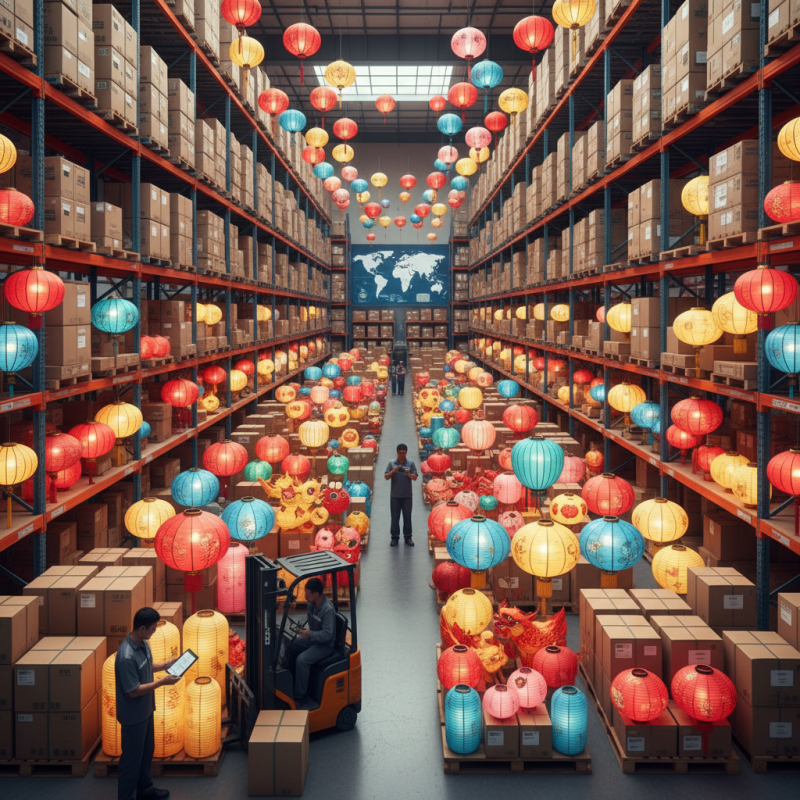
Identifying Quality Chinese Lantern Manufacturers and Suppliers
Sourcing quality Chinese lanterns requires a clear understanding of the market. It's vital to identify reputable manufacturers and suppliers who align with your business goals. Start by using platforms that list verified suppliers. Look for their certifications and product quality indicators.
Checking references is essential. Reach out to previous clients to gather firsthand experiences. Ask about the reliability and quality of the products. It's not just about aesthetics; durability is crucial for your customers’ satisfaction.
Attend trade shows or exhibitions if possible. These events provide a direct way to connect with manufacturers. Observe their products and interact with them. However, be prepared for challenges. Not all suppliers meet expectations, and some may have communication barriers. Reflect on these experiences; they can guide your future sourcing strategies.
Evaluating Material Options for Chinese Lantern Production
When evaluating material options for Chinese lantern production, it is essential to consider several factors. Traditional lanterns often use rice paper, which has a unique aesthetic. However, it can be less durable under various weather conditions. Recent studies indicate that synthetic materials like polyethylene can extend the lifespan of lanterns. With an industry growth rate of 5% annually, adaptable materials are necessary to meet consumer demand.
Sourcing materials requires an understanding of environmental impacts. For instance, eco-friendly options are gaining traction. A report stated that 70% of consumers prefer sustainable products. However, sourcing biodegradable materials might increase production costs. Manufacturers must balance cost-efficiency with sustainability to remain competitive.
Quality control is crucial in the manufacturing process. Poorly made lanterns can lead to safety issues. A well-known guideline suggests that thorough testing should occur before distribution. Investing in quality materials can elevate brand reputation. On the other hand, it raises concerns about supply chain constraints. Companies must navigate these challenges carefully while meeting global market needs.
Understanding Import Regulations for Chinese Lanterns
When sourcing Chinese lanterns for your global business, understanding import regulations is crucial. Many countries have specific rules regarding the importation of decorative items. These regulations often include safety standards, fire hazards, and material requirements. Knowing these rules can help you avoid legal issues and ensure your products meet consumer safety expectations.
Tips: Always check the customs website of your target country for the latest regulations. Regulations can change without notice, so staying updated is essential. It might also be beneficial to consult with a customs broker. They can provide guidance tailored to your specific needs and help navigate the import process.
Some businesses overlook documentation requirements. Invoices, packing lists, and certificates of origin might seem minor but are vital for smooth customs clearance. Missing paperwork can lead to delays. This can frustrate customers and impact sales. Take the time to double-check your documentation. Rushing can lead to costly mistakes.
Another point to consider is potential tariffs and duties. These can significantly affect your overall costs. Calculate these expenses during your planning phase. It’s smart to include them in your pricing strategy. Be aware of trade agreements that could benefit your import process. Understanding these aspects will enhance your sourcing strategy.
Negotiating Pricing and Terms with Chinese Lantern Suppliers
When sourcing Chinese lanterns for global markets, negotiating pricing and terms is crucial. An 2022 industry report found that 72% of businesses prioritize cost-effectiveness when selecting suppliers. Understanding local market conditions can help in this negotiation. Knowing average production costs in China can provide leverage. For instance, labor costs vary significantly by region, affecting the final price.
It is essential to build relationships with suppliers. Communication should be clear and proactive. Discuss payment terms, shipping costs, and potential discounts for bulk orders. A study indicated that businesses that establish strong partnerships often secure better pricing deals and favorable terms. Transparency about your ordering needs will enhance trust and improve negotiations.
However, not all negotiations go smoothly. Some businesses report misunderstandings due to language barriers or cultural differences. These barriers can lead to dissatisfaction with the final product. Reflecting on failed negotiations can provide insights into what to avoid in the future. By focusing on effective communication and active listening, businesses can navigate these challenges better.
Exploring Distribution Channels for Global Markets of Lanterns
When sourcing Chinese lanterns, distribution channels play a crucial role. Understanding these routes can help businesses tap into global markets effectively. Many companies often overlook local suppliers, which could offer unique offerings. Reaching out to regional distributors can yield surprising insights and connections.
Tips: Research local trade shows in various markets. Attend events to network with key players. Local distributors understand specific market needs better than anyone.
Online platforms are increasingly essential. They allow businesses to connect directly with manufacturers. However, not all online channels provide quality control. It's vital to vet suppliers thoroughly. Relying solely on reviews may lead to disappointments. Ask for samples to assess quality directly.
Tips: Create a checklist for evaluating suppliers. Include criteria like communication skills and responsiveness. A reliable partner is key to your success. Building strong relationships helps overcome challenges in any market.
How to Source Chinese Lanterns for Your Global Business? - Exploring Distribution Channels for Global Markets of Lanterns
| Region | Market Potential (USD) | Distribution Channels | Preferred Lantern Types |
| North America | $15 million | E-commerce, Retail Stores | Paper Lanterns, LED Lanterns |
| Europe | $12 million | Importers, Local Markets | Traditional Lanterns, Decorative Lanterns |
| Asia | $25 million | Wholesale Distributors, Online Platforms | Festival Lanterns, Custom Lanterns |
| Australia | $5 million | Trade Shows, Online Retailers | Paper Lanterns, Outdoor Lanterns |
| South America | $3 million | Local Artisans, Street Vendors | Festival Lanterns, Handmade Lanterns |

