Top 10 Modern Design Furniture Trends You Need to Know?
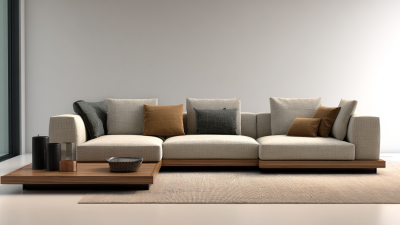
Modern design furniture continues to evolve, reflecting our changing lifestyles and preferences. As we embrace minimalism and functionality, these pieces often tell a story. They blend practicality with aesthetic appeal. This makes them central to contemporary living spaces.
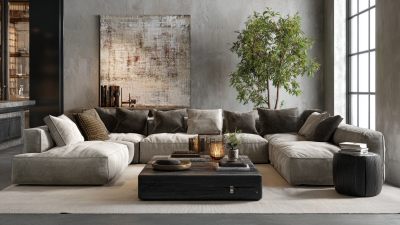
In recent years, we’ve seen significant shifts in modern design furniture trends. Bold colors, natural materials, and innovative shapes are becoming popular. Sustainability matters too. People want furniture that is stylish yet eco-friendly. However, not all trends intuitively fit every space. It’s essential to consider how each piece interacts with the room’s atmosphere.
Experimenting with modern design furniture can be rewarding. Some choices might seem ideal at first but could clash later. Reflecting on these decisions is crucial. The goal is to find harmony between comfort and style. Embrace the evolving nature of design; it extends beyond mere trends into personal expression.
Emergence of Minimalism in Modern Furniture Designs
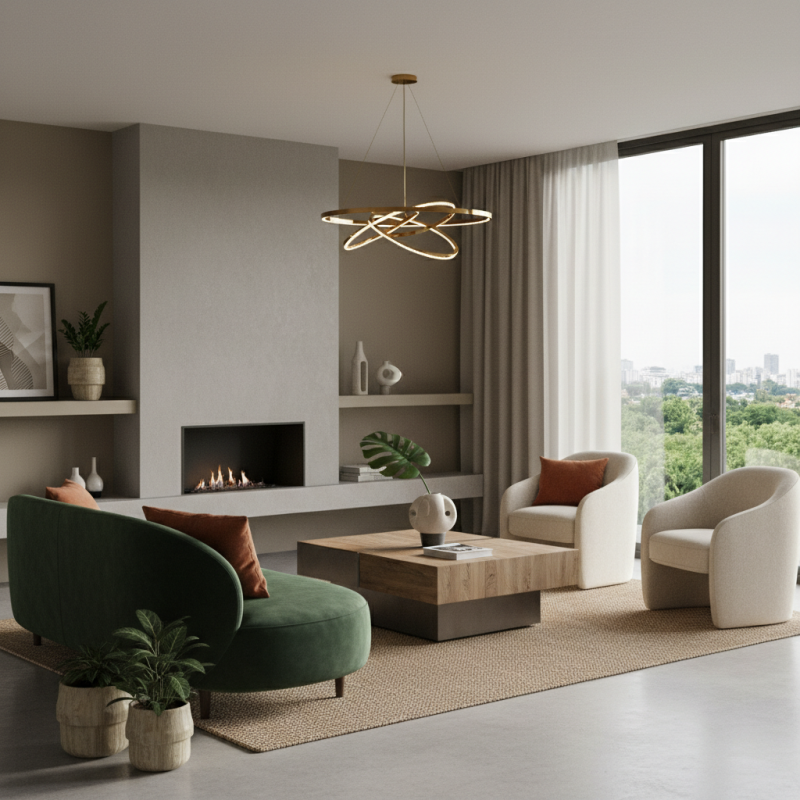
Minimalism has become a defining feature of modern furniture design. This trend emphasizes simplicity and efficiency. Clean lines and open spaces create a sense of calm. Minimalist furniture often utilizes natural materials. Wood, metal, and textiles enhance the aesthetic without overwhelming the senses.
Many people find minimalism appealing because it declutters spaces and minds. However, achieving this balance can be challenging. One must be intentional about each piece. Excessive decoration can detract from the minimalist vision. It’s easy to lose focus and crowd a room with unnecessary items.
Minimalism invites reflection on what truly matters. It encourages individuals to evaluate their possessions. Can we let go of items that don’t serve a purpose? This introspective process brings clarity. By embracing minimalism, spaces can feel more inviting and breathe easier. It’s about making thoughtful choices that enhance living environments.
Sustainable Materials: Eco-Friendly Choices in Furniture Trends
Sustainable materials are reshaping modern furniture design. Eco-friendly choices are now a major focus. Wood, bamboo, and recycled metals offer durable and stylish options. These materials minimize environmental impacts. They provide a unique aesthetic that complements any interior space.
When choosing sustainable furniture, consider certifications like FSC for wood products. Always check the product's lifecycle. Are the materials sourced responsibly? Also, look for furniture made from reclaimed or upcycled items. These pieces often tell a story and have character.
Keep in mind that some "eco-friendly" claims can be misleading. Research is crucial. Many products may not be as green as advertised. Don't rush your decision. Take time to assess materials and production methods. This effort leads to a more sustainable and satisfying choice for your home.
Top 10 Modern Design Furniture Trends You Need to Know - Sustainable Materials: Eco-Friendly Choices in Furniture Trends
| Trend |
Description |
Materials Used |
Sustainability Rating |
| Bamboo Furniture |
Stylish and strong, made from fast-growing bamboo. |
Bamboo |
A+ |
| Reclaimed Wood |
Unique pieces crafted from deconstructed buildings. |
Reclaimed lumber |
A+ |
| Upcycled Materials |
Furniture created from old materials given a new life. |
Various upcycled materials |
A+ |
| Sustainable Fabrics |
Eco-friendly textiles used for upholstery. |
Organic cotton, hemp |
A |
| Metal Furniture |
Durable and recyclable metal designs. |
Recycled metal |
A |
| Biodegradable Materials |
Innovative materials that break down naturally. |
Bioplastics, plant-based composites |
A+ |
| Modular Furniture |
Flexible designs that can be reconfigured. |
Recyclable plastics, sustainable wood |
A |
| Smart Furniture |
Integrated technology for modern living. |
Wood, metal, electronics |
B+ |
| Circular Design |
Focus on reusability and life cycle of products. |
Various sustainable resources |
A+ |
Bold Colors and Patterns: Making Statements in Living Spaces
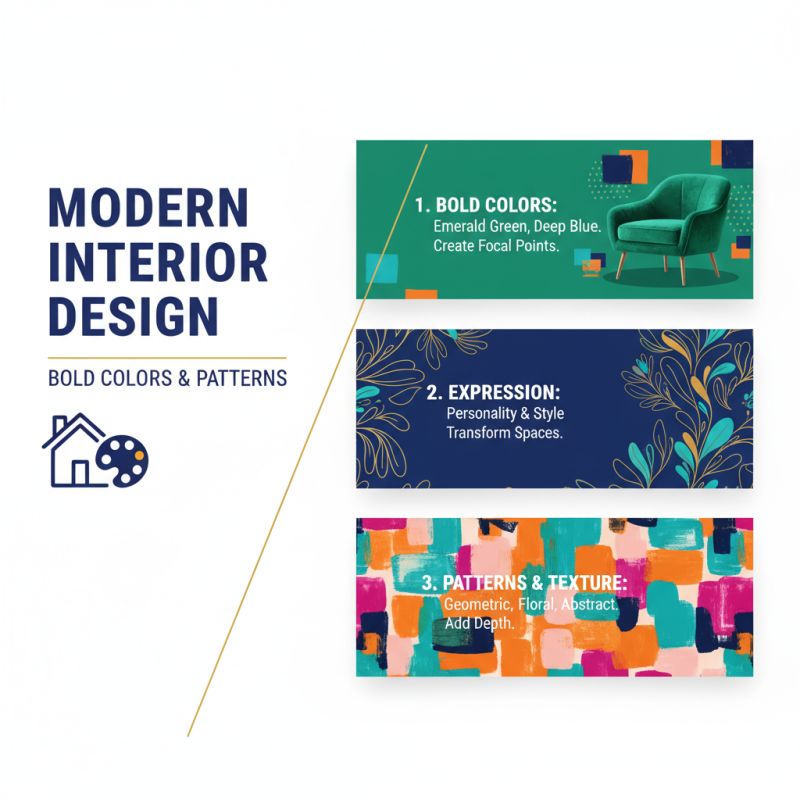
In modern interior design, bold colors and patterns are taking the lead. They have become a powerful way to express personality and style. Vibrant hues like emerald green and deep blue create striking focal points. These rich colors can transform a simple room into a statement space. Patterns add additional depth, providing visual interest. Geometric shapes, floral designs, and abstract arts blend seamlessly with vivid tones.
However, striking the right balance can be challenging. Too many bold elements can overwhelm a space. Thoughtful curation of colors is essential. A single accent wall in a daring shade can ground a room. Pairing it with neutral furniture can soften the effect. Still, it's important to test colors in different lighting. What looks fantastic in the store might not carry the same energy at home. Reflections and shadows can alter perceptions.
Patterns, too, require a keen eye. Mixing patterns can create excitement but risks chaos. Start with a few complementary designs, then gradually experiment. Sometimes, a little clash can lead to unique combinations. Learning through these trials is part of the journey. Embrace the unexpected; design should reflect individuality, after all.
Multi-Functional Furniture: Space-Saving Innovations
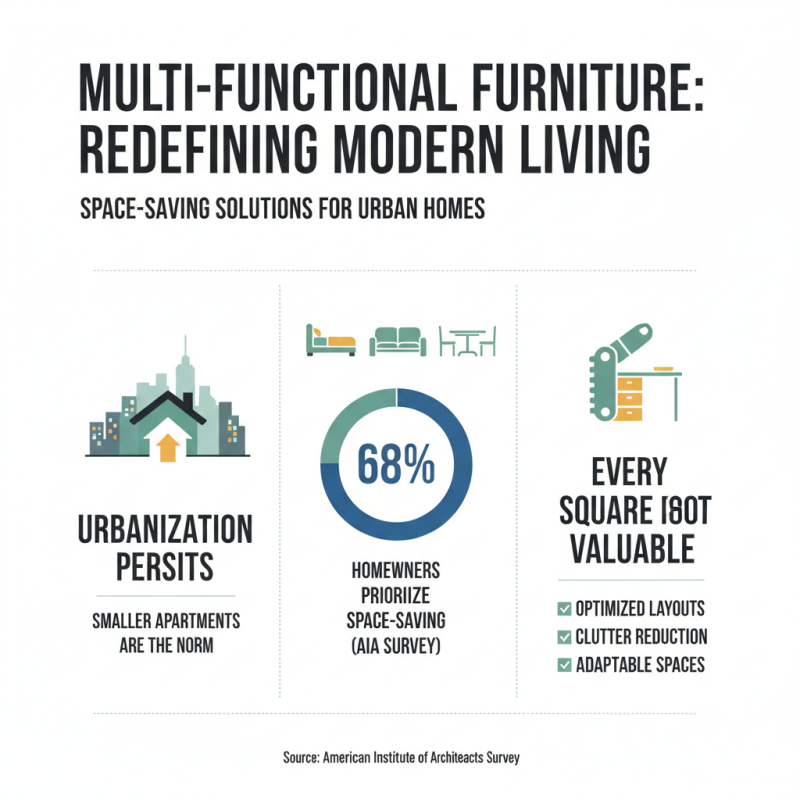
Multi-functional furniture is redefining modern living spaces. According to a recent survey from the American Institute of Architects, 68% of homeowners prioritize space-saving solutions in their designs. This trend is essential as urbanization persists. Smaller apartments are becoming the norm, making every square foot valuable.
Innovative designs like modular storage systems and convertible sofas are gaining traction. They provide versatility while maintaining style. For example, a coffee table that transforms into a dining table appeals to those seeking functionality without sacrificing aesthetics. Additionally, wall-mounted desks are rising in popularity, making home offices feel less cluttered. The allure of multi-functional pieces lies in their ability to adapt to different needs while enhancing the home environment.
Despite their benefits, some consumers express concerns about durability and quality. Reports indicate that 40% of those who purchased multi-functional pieces felt they compromised on sturdiness. These reflections suggest an ongoing need for balance in design. Buyers should consider both form and function when investing in their furniture. Thoughtful choices can lead to a space that is not only beautiful but also practical.
Technology Integration: Smart Furniture for Modern Living
Smart furniture is reshaping modern living spaces. With technology integration, homes are becoming more functional and stylish. Imagine a coffee table that charges your devices wirelessly. Or a sofa that adjusts its firmness based on your preference. These innovations cater to our busy lifestyles.
Smart furniture can simplify daily tasks. For instance, smart desks can remind you to stand or take breaks. Some models even have built-in speakers or USB hubs. These features make work-from-home setups more enjoyable. Yet, the reliance on technology can be challenging. What happens when the power goes out?
Flexibility is another trend. Modular furniture allows easy rearrangement. You can customize your space for gatherings or relaxation. However, not all smart solutions are perfect. Some users might find them overwhelming. Balancing tech and comfort is essential for future designs.