What is Light Furniture and Why is it Popular?
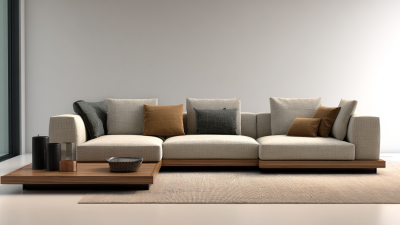
Light furniture has become a trending choice among modern homeowners. This furniture type is characterized by its lightweight design and ease of mobility. People increasingly appreciate its flexibility in various living spaces.
The appeal lies in its versatility. Light furniture can easily adapt to changing needs and preferences. Many find it suitable for small apartments or dynamic workspaces. It allows individuals to rearrange their environments with minimal effort.
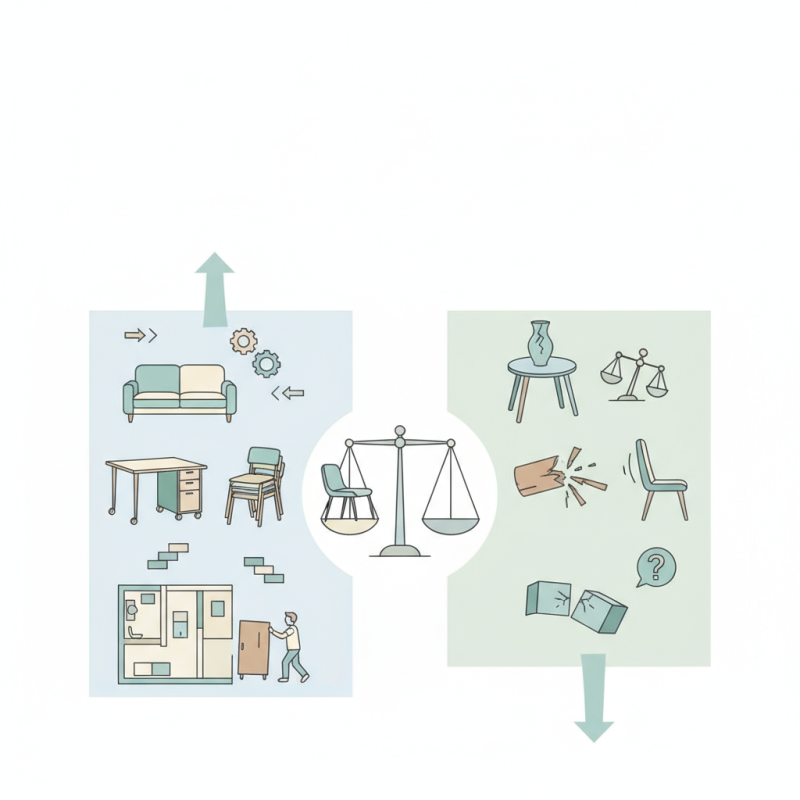
However, with the rise of light furniture, some concerns arise. Fragility can be a downside. Users may question durability and stability. Choosing the right pieces requires careful consideration to balance style and functionality.
Definition and Characteristics of Light Furniture
Light furniture is gaining popularity due to its versatile characteristics. This type of furniture is designed for easy movement and rearrangement. Typically, it’s constructed from lightweight materials such as metal and engineered wood. According to a 2022 industry report, lightweight furniture accounts for more than 35% of the contemporary furniture market. Consumers are drawn to its practicality.
One key feature of light furniture is its flexibility. Ideal for small spaces, it can be effortlessly adjusted to meet changing needs. Whether for an apartment or a bustling office environment, the need for adaptability is critical. A study noted that 70% of people prefer furniture that can be easily moved. Light furniture promotes efficiency, yet it sometimes lacks the sturdiness of heavier options.
Another notable aspect is the design appeal. Light furniture often showcases sleek lines and modern aesthetics. This style aligns with current trends toward minimalism and functionality. However, some consumers may worry about durability when selecting lighter pieces. This tension between style and substance is worth considering. The balance might not always be perfect.
The Evolution of Light Furniture in Interior Design
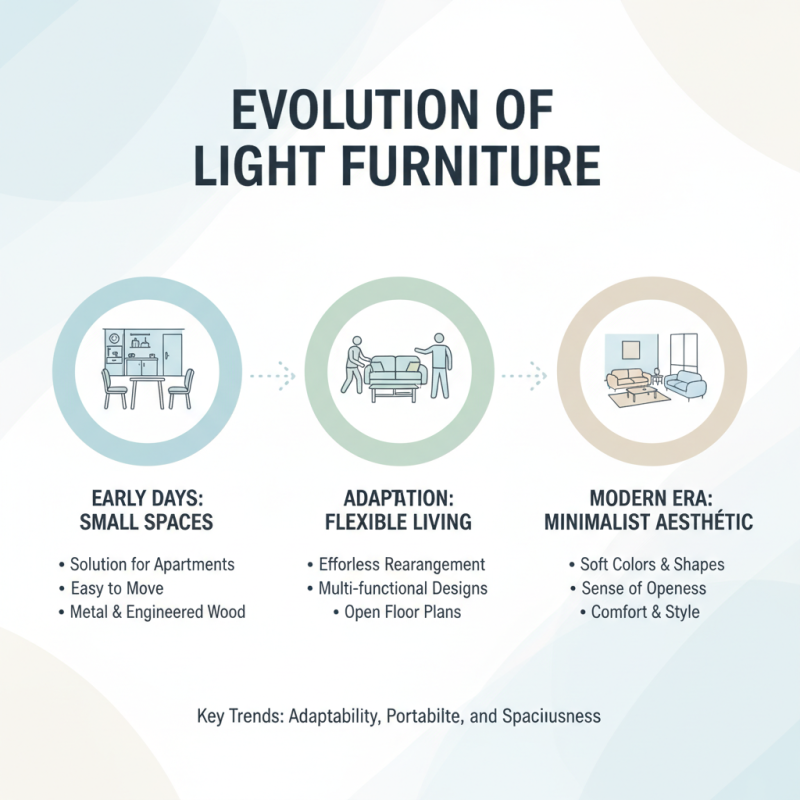
Light furniture has rapidly evolved in interior design, adapting to modern lifestyles and preferences. Initially, it emerged as a solution for smaller spaces. Lightweight materials, such as metal and engineered wood, became popular for their easy mobility. This shift allowed homeowners to rearrange spaces effortlessly. Now, minimalist designs often feature soft colors and airy shapes, creating a sense of openness.
Tips: When choosing light furniture, consider your space and needs. Look for pieces that offer functionality, like a foldable table or stackable chairs. They maximize usage without occupying too much room.
This evolution also reflects changing societal values. Today, people prioritize sustainability. Many light furniture options are made from recycled or eco-friendly materials. Nevertheless, it's important to question the durability of these items. Some might sacrifice sturdiness for weight. Understanding the balance between aesthetics and practicality is vital for any homeowner.
Tips: Check for the quality of fittings and finishes. Lightweight doesn't mean fragile. Look for customer reviews detailing long-term use. Always envision how a piece fits into your daily routine.
Benefits of Choosing Light Furniture for Modern Living Spaces
Light furniture has become increasingly popular in modern living spaces. Its appeal lies in several practical benefits that cater to contemporary lifestyles. According to a 2022 industry report, lightweight furniture is often preferred due to its versatility and ease of use. It can be moved around effortlessly, allowing homeowners to adapt their spaces as needed. This flexibility is particularly valuable in smaller apartments, where maximizing space is essential.
Tips: Consider furniture with multiple uses. A coffee table that doubles as a storage unit or an ottoman that serves as seating can save space and enhance functionality.
Another reason light furniture is favored is its aesthetic quality. Many designs incorporate minimalist elements, creating an open and airy feel. Light-colored woods and slim profiles visually expand spaces. Statistics show that homes with lighter decor tend to feel more welcoming. However, there's a balance to maintain; too much light furniture can lead to a lack of personality in a room.
Tips: Mix textures and colors for depth. Pairing light pieces with bold accessories can provide contrast and interest.
While light furniture offers many advantages, it's important to consider durability. Not all light options are created equal. Some may sacrifice sturdiness for reduced weight. Always assess the materials before purchasing to ensure longevity. A well-chosen light piece can enhance both function and style without overwhelming your space.
What is Light Furniture and Why is it Popular? - Benefits of Choosing Light Furniture for Modern Living Spaces
| Feature |
Description |
Benefits |
| Weight |
Light furniture is designed to be lightweight, making it easy to move and rearrange. |
Flexible living spaces and ease of rearranging the furniture for different occasions. |
| Materials |
Often made from materials like aluminum, plastic, and light wood. |
Durability and resistance to wear and tear, while maintaining a stylish appearance. |
| Design |
Features sleek and modern designs that fit contemporary aesthetics. |
Creates a clean and airy look, enhancing the overall space. |
| Space Efficiency |
Designed to fit in smaller spaces without overwhelming the area. |
Maximizes usability of small living areas, ideal for urban living. |
| Affordability |
Typically more affordable than heavy, bulky furniture. |
Allows for budget-friendly decorating without sacrificing style. |
Popular Materials Used in Light Furniture Production
Light furniture has become increasingly popular in contemporary interior design. Its appeal lies in the use of various materials that are both functional and aesthetic. Commonly used materials include plywood, aluminum, and even bamboo. Each of these resources brings a unique charm to light furniture.
Plywood is lightweight yet sturdy. Its layered construction provides durability while remaining easy to move. Aluminum, on the other hand, is known for its sleek, modern look. It is often used for minimalist designs. Bamboo offers sustainability, making it an eco-friendly choice. However, it can be prone to scratches and dents.
In addition to these popular materials, light furniture often incorporates textiles like cotton and linen. These fabrics add comfort and warmth. Yet, they may not withstand heavy wear and tear. When choosing light furniture, it is essential to think about these factors. Lightweight does not always equal longevity. Balancing aesthetics with practicality can be a challenge, requiring thoughtful consideration.
Tips for Styling and Arranging Light Furniture in Homes
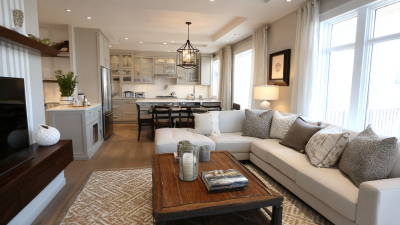
Light furniture has become a popular choice for modern homes. It offers a fresh, airy feel that can brighten up any space. When arranging light furniture, consider the layout of your room carefully. Avoid overcrowding. Allow for flow and movement. A well-placed sofa can create a cozy conversation area.
Incorporating light colors can enhance the feeling of openness. Use throw pillows or blankets to add texture. Balance is key; too many light hues can feel sterile. Mix in natural materials like wood or plants. This adds warmth and dimension. Small decorations can play a big role. A few carefully chosen items can personalize the space without overwhelming it.
While styling light furniture, think about practical needs. It should serve your lifestyle. Consider easy maintenance, especially with fabrics. Light colors show stains easier, so reflect on your daily activities. Over time, furniture can wear and lose its charm. Take time to evaluate what works and what doesn’t. The goal is a home that feels relaxed and inviting.
Popularity of Light Furniture in Homes