Why Light Furniture is Essential for Modern Living Spaces?
Light furniture has become a cornerstone of modern living spaces. As homes embrace minimalism and multifunctional designs, light furniture meets these demands. Industry expert Judith Collins emphasizes its importance: "Light furniture transforms spaces, making small areas feel larger and more inviting." This concept resonates in today’s urban environments, where space often feels limited.
The appeal of light furniture lies in its versatility. It can adapt to various styles while maintaining an airy aesthetic. For example, a sleek coffee table can elevate the look of a small living room. However, one might wonder if sacrificing sturdiness is necessary for this style. It’s a balance between elegance and practical needs.
Moreover, light furniture encourages creativity in interior design. It allows for easy rearrangement, fitting the dynamic lifestyles of modern dwellers. Yet, not every piece is perfect for every space. Individuals must consider their specific requirements. Light furniture offers potential but demands careful selection to truly enhance living areas.
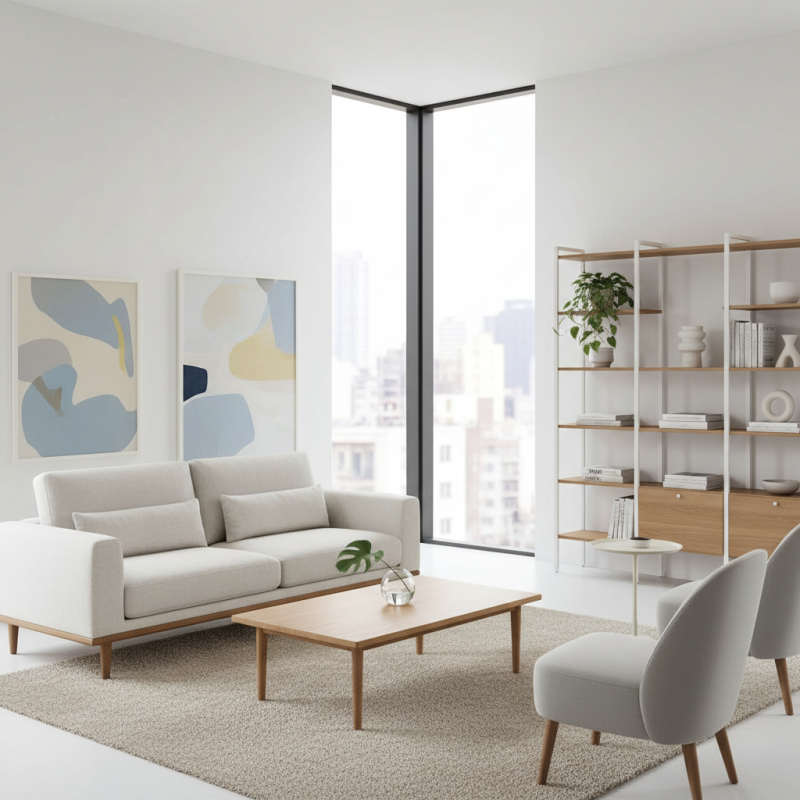
Advantages of Light Furniture in Enhancing Spatial Flexibility
Light furniture has become a central element in modern living spaces. Its design allows for easy movement and reconfiguration. Urban living often comes with limited space. Choosing lightweight pieces helps create a flexible atmosphere. This flexibility makes it easy to adapt a room for different activities. You can quickly rearrange furniture for gatherings or relaxation.
Consider a small apartment with a sofa that is easy to lift. It can transform a cozy living area into an entertainment space in minutes. Light furniture made of materials like aluminum or lighter woods has style and practicality. These materials add elegance without overwhelming a small room. They also offer homeowners the chance to express their personal style.
However, not all lightweight options provide the same level of comfort or durability. It is crucial to assess quality when selecting light furniture. Some pieces may sacrifice sturdiness for weight. Look for well-constructed items that balance both attributes. This emphasis on quality ensures furniture lasts while being easy to move. Finding the right piece can enhance your space, but sometimes it takes trial and error.
Impact of Light Furniture on Modern Interior Design Trends
Light furniture plays a significant role in modern interior design. Its airy feel creates an illusion of space, which is crucial for smaller living areas. According to the American Society of Interior Designers, over 70% of designers agree that light furniture enhances spatial perception in homes. This shift towards lighter materials demonstrates a response to urban living's challenges.
Moreover, light furniture complements other design trends. Minimalism, with its emphasis on simplicity and functionality, thrives on less bulky pieces. The 2022 Furniture Trends Report highlights that 65% of interior designers are incorporating more multi-functional light furniture into their projects. Items like collapsible dining tables or nesting coffee tables have gained popularity. Their versatility is appealing for modern lifestyles, reflecting a blend of aesthetics and practicality.
Despite these advantages, some industry experts caution against overusing light furniture. It can create a stark, cold atmosphere if not balanced with other elements. Textures and colors are vital to achieving warmth and comfort. Thoughtful integration of light pieces with warm accents is essential for an inviting space. This balance is what truly defines modern interior design trends today.
Why Light Furniture is Essential for Modern Living Spaces?
| Dimension |
Description |
Impact on Interior Design |
| Weight |
Light furniture is easy to move and rearrange. |
Promotes flexibility in layout changes. |
| Aesthetics |
Offers a clean and minimalistic look. |
Supports a modern design sensibility. |
| Space Utilization |
Allows better use of small spaces. |
Enhances the functionality of compact rooms. |
| Material |
Often made from lighter materials like metal and composite woods. |
Promotes consistency in modern materials. |
| Color Palette |
Available in various light and neutral colors. |
Aligns with the trend of airy and spacious designs. |
Statistical Insights: How Light Furniture Increases Room Functionality
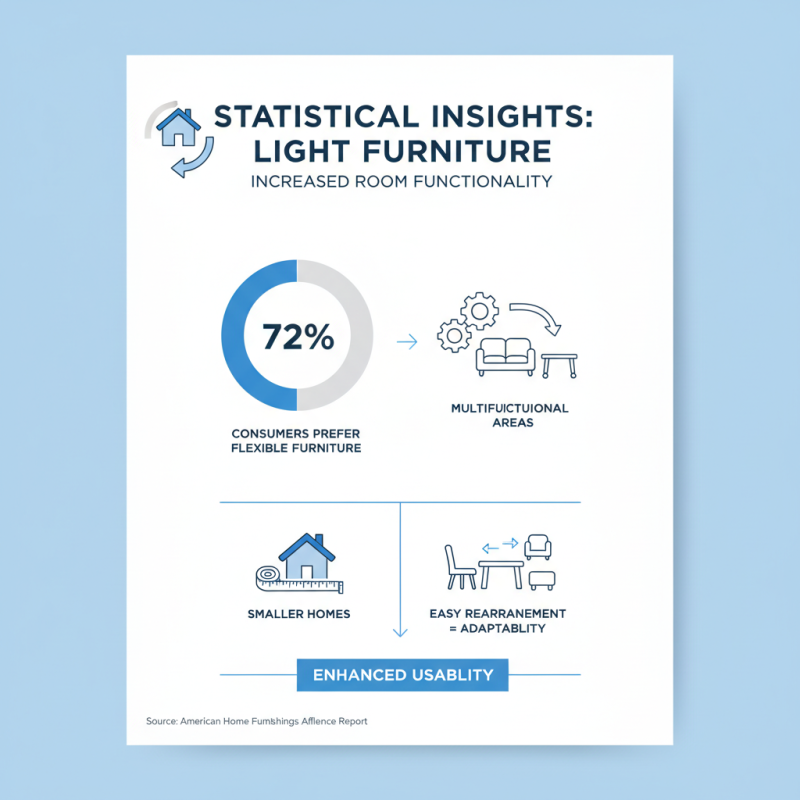
Light furniture has become crucial in modern living spaces. A recent report by the American Home Furnishings Alliance indicates that 72% of consumers prefer furniture that offers flexibility. This preference stems from the need for multifunctional areas. In smaller homes, light furniture allows for easy rearrangement and adaptability, enhancing the usability of any room.
Space optimization is vital. According to a survey by Statista, 65% of homeowners feel constrained by heavy furniture. Lighter pieces not only create an illusion of more space but also accommodate dynamic lifestyles. For instance, lightweight tables can be moved for various uses, from dining to workspace, fostering an efficient environment. However, some designs may lack durability, prompting users to rethink their choices.
The trend of minimalism contributes to this shift. Data from the Furniture Today report states that 58% of buyers seek pieces that align with a clean, open aesthetic. Achieving functionality is not solely about aesthetics; it also challenges consumers to evaluate their habits. A balance between style and practicality is necessary to create inviting, functional living areas.
Environmental Benefits of Choosing Lightweight Materials for Furniture
Lightweight furniture offers significant environmental advantages that cannot be overlooked. These pieces often use sustainable materials, reducing the carbon footprint during production. For example, bamboo and recycled metal are common choices. These resources grow quickly and are renewable, making them excellent alternatives to traditional hardwoods.
Additionally, lighter furniture promotes versatility in living spaces. It’s easier to rearrange, which encourages a more dynamic use of an area. This fluidity can lead to a more enjoyable atmosphere. Moving items around regularly can help refresh a room without the need for new purchases. However, one must consider that lightweight does not always mean durable. Not all lightweight materials can withstand heavy use, leading to a cycle of replacements.
Moreover, there are often misconceptions about aesthetics. Many believe lightweight options lack style or sophistication. In fact, many designs prioritize both elegance and functionality. The challenge is to find a perfect balance. This requires thoughtful selection and a willingness to experiment with different styles and configurations.
Environmental Benefits of Choosing Lightweight Materials for Furniture
Consumer Preferences: The Shift Towards Lightweight Furnishings in Homes
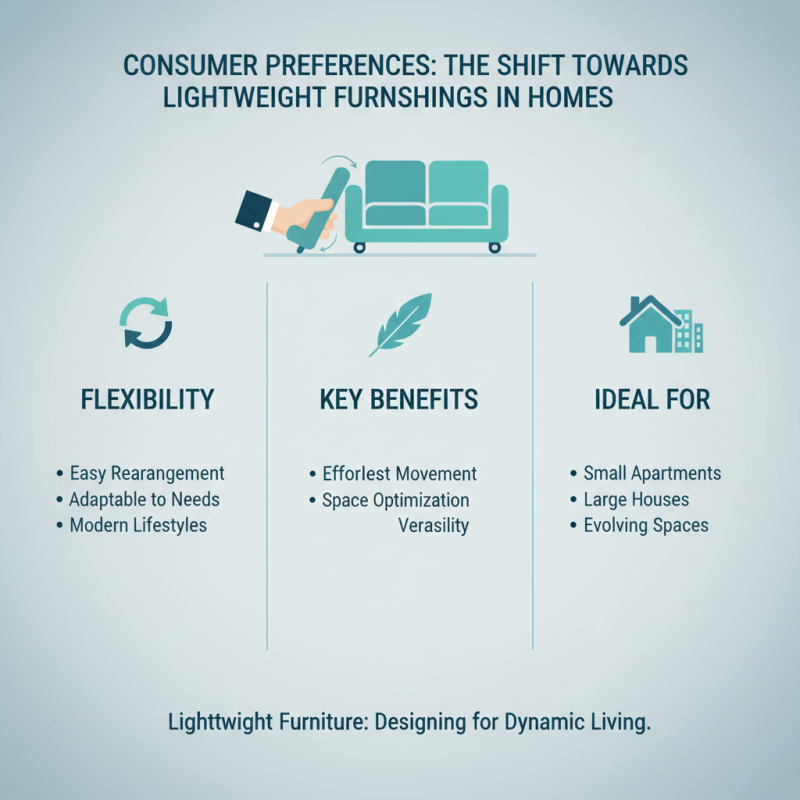
The trend towards lightweight furnishings in homes reflects changing consumer preferences. Many people value flexibility in their living spaces. Lightweight furniture allows for easy rearrangement, making it perfect for modern lifestyles. Whether it's a small apartment or a large house, light pieces can adapt to various needs.
Minimalist design also plays a role. Consumers appreciate simplicity, which often involves lighter materials. This approach can enhance the sense of space, making rooms feel more open. Additionally, with the rise of remote work, creating multi-functional areas at home has become essential. Lightweight furniture facilitates this transformation.
However, not all lightweight furniture is durable. Some might compromise quality for weight. Consumers should consider both aspects carefully. Investing in well-made pieces is crucial for long-term enjoyment. Reflecting on these factors can help in making informed choices that balance style with practicality.