Essential Home Textile Fabric Tips for Your Next Project?
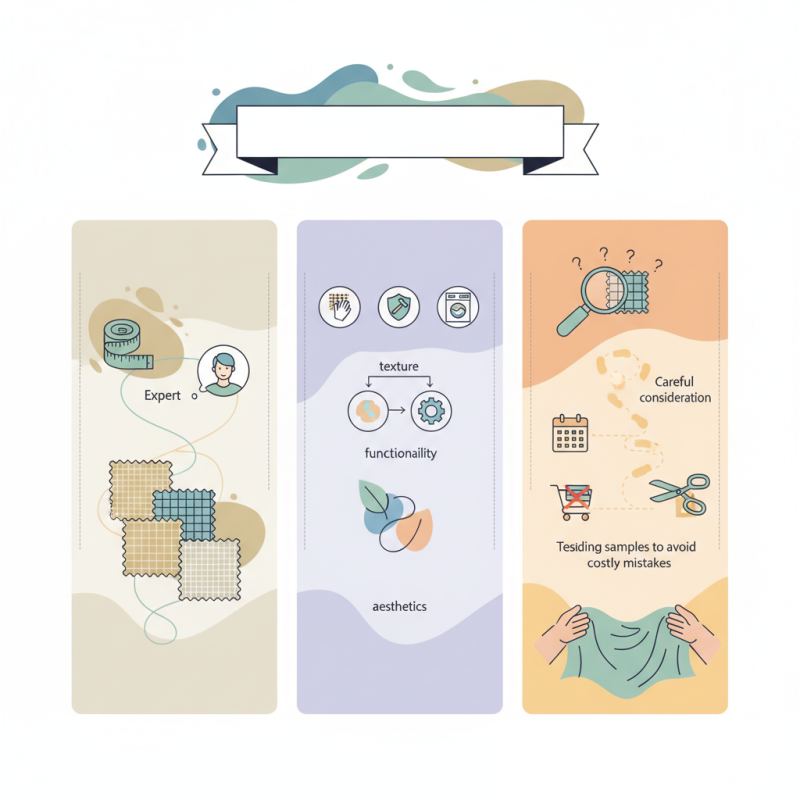
When embarking on a home textile fabric project, many factors come into play. Understanding the fabric's characteristics is crucial. According to David Frazier, a prominent expert in the home textile industry, "The right fabric can transform a space." His insight emphasizes the importance of material selection when aiming for both functionality and aesthetics.
Choosing home textile fabric requires careful consideration of texture, durability, and maintenance. There are countless options, from linen to cotton blends. Each fabric type offers unique benefits, yet finding the perfect match can be challenging. You may find yourself drawn to beautiful patterns, but practicality matters too.
Sometimes, you might make impulsive choices, only to rethink them later. The wrong fabric may lead to regrets in the long run. Pay attention to how your selections will interact with your lifestyle. Testing samples can save time and ensure you avoid costly mistakes. That's the beauty of engaging with home textile fabric; it's about blending artistry with functionality in your personal space.
Choosing the Right Fabric for Home Textile Projects
When it comes to home textile projects, selecting the right fabric is essential. Different textiles offer varying textures, patterns, and durability. Consider your project type. For curtains, lightweight fabrics like linen drape beautifully. They allow light to filter in, creating a soft ambiance. But could they be too delicate in high-traffic areas?
Cotton is another versatile choice. It’s breathable and easy to wash. This makes it perfect for cushion covers or tablecloths. However, it’s important to remember that cotton can fade over time. Think about how the colors will change. If you're creating a durable piece, fabrics like canvas or denim might be a better fit. They withstand wear and tear but can be stiff.
Don't overlook the role of texture. Velvet adds a touch of luxury, while burlap can bring a rustic charm. Blending fabrics can also create unique looks. However, mixing textures requires a keen eye. It can easily go wrong if not balanced properly. Experimentation is key, and don't shy away from making mistakes. Each project is a learning opportunity that will refine your skills.
Understanding Different Types of Textile Fibers
When diving into the world of home textiles, understanding textile fibers is crucial. Different fibers offer unique properties, affecting comfort, durability, and appearance. For instance, natural fibers like cotton and linen are breathable. They absorb moisture well, making them ideal for warm climates. According to a report from the Textile Fiber Products Identification Act, cotton makes up around 30% of the global fiber market.
On the other hand, synthetic fibers such as polyester and nylon are gaining popularity. They are known for their strength and resistance to wrinkles. Research from the International Textile and Apparel Association indicates that synthetic fibers account for nearly 70% of the global fiber consumption. This is due to their affordability and versatility. However, they often lack the biodegradable qualities of natural fibers, raising sustainability concerns.
Choosing the right fiber can influence your project’s success. A mix of fibers might be ideal for certain applications. For example, combining cotton with polyester can enhance durability while maintaining softness. It’s essential to reflect on the end use of the fabric. Will it face heavy wear? Will it need frequent washing? Understanding these factors can guide your choices effectively.
Essential Home Textile Fabric Tips for Your Next Project - Understanding Different Types of Textile Fibers
| Fiber Type | Properties | Best Uses | Care Instructions |
| Cotton | Soft, breathable, durable | Bedding, curtains, upholstery | Machine wash cold, tumble dry |
| Linen | Strong, absorbent, cool | Tablecloths, bed sheets | Machine wash gentle, line dry |
| Silk | Luxurious, soft, lightweight | Drapes, bedding, cushions | Dry clean or hand wash |
| Polyester | Durable, wrinkle-resistant, versatile | Clothing, upholstery, curtains | Machine wash warm, tumble dry |
| Wool | Elastic, warm, moisture-wicking | Throws, blankets, rugs | Dry clean or hand wash in cold |
Tips for Washing and Maintaining Home Textiles
Maintaining home textiles requires careful attention to washing and care instructions. Each fabric type has unique needs. For example, cotton can usually withstand machine washing, while delicate fabrics like silk require hand washing. Always check labels before proceeding. When in doubt, err on the side of caution.
Washing textiles in cold water can prolong their lifespan. It's wise to use a gentle detergent, especially for fragile items. Be mindful of colors too; separate darks from lights to avoid bleeding. Heavy items like curtains may need a professional cleaning, as home machines can damage them.
Remember that drying techniques matter. Air drying helps preserve shape and texture, while machine drying may shrink some fabrics. If you choose to iron, make sure to adjust the heat setting according to the fabric type. Not all textiles respond well to high heat, and this can result in disappointing results. Taking time to learn about your fabrics will lead to better outcomes for your home projects.
Essential Home Textile Durability Ratings
Selecting Fabrics Based on Functionality and Aesthetics
Selecting the right fabric for your home textile project involves balancing functionality and aesthetics. Think about the purpose of the fabric. Will it be for window treatments, upholstery, or soft furnishings? Each requires different properties. For example, curtains need to block light, while a cozy throw may focus on softness and warmth.
Aesthetics play a crucial role, too. Color, texture, and pattern can elevate a space. Light colors can make a room feel larger, while bold patterns make a statement. It's essential to visualize how the fabric will complement your existing decor. Mistakes can happen—choosing a fabric that clashes is all too easy. Consider the harmony of hues before making your final choice.
While it might be tempting to go for trendy fabrics, durability is key. Fabrics should withstand daily wear and tear, especially in high-use areas. Reflect on past projects. Did you regret a fabric choice? Always weigh practicality against visual appeal. It’s about finding that elusive balance that suits your unique style and functional needs. Experimentation can lead to unexpected discoveries, so don't shy away from trying something new.
Budgeting for Quality Fabrics in Your Home Projects
Budgeting for quality fabrics can be challenging. It's easy to get overwhelmed by choices. However, understanding your project's needs will help streamline your selection. Consider the purpose of your fabric. Do you need something durable, or is it for a delicate decor item? Knowing this will guide your budgeting.
Set a clear budget before you shop. It's tempting to splurge on high-end fabrics, but you can find excellent options at various price points. Research and compare different stores. Sometimes, online shops offer unique finds at better prices. Remember to account for extra material in your budget. Mistakes can happen, and it’s wise to plan for them.
Don’t forget to keep your style in mind. A well-chosen fabric can elevate your project. However, sticking rigidly to your budget may mean you have to compromise on some elements. This can lead to regret later. It’s important to balance affordability with quality without settling for less. Reflect on what aspects are most crucial for you and find a middle ground.

