How to Choose Modern Design Furniture for Your Home?
When it comes to modern design furniture, making the right choice can be daunting. In a market flooded with options, understanding key trends is essential. Reports indicate that the global furniture market is projected to reach $650 billion by 2028, with modern design furniture taking a significant share. This growth signifies a shift in consumer preference towards aesthetically pleasing yet functional pieces that complement contemporary spaces.
The appeal of modern design lies in its simplicity and versatility. Many consumers are drawn to clean lines, minimalism, and innovative materials. Yet, it can be tricky to strike the right balance between style and comfort. For instance, not every striking piece can offer the ergonomic support needed for daily use.
Additionally, selecting modern design furniture is a reflection of personal taste and lifestyle needs. Some may fall into the trap of choosing items solely based on trends, neglecting practicality. The right modern design furniture should harmonize with your home’s overall aesthetic while also serving a functional purpose. Being mindful of these factors ensures that your choices resonate not just with current trends, but also with your home’s unique character.
Understanding Modern Design Aesthetics in Furniture Selection
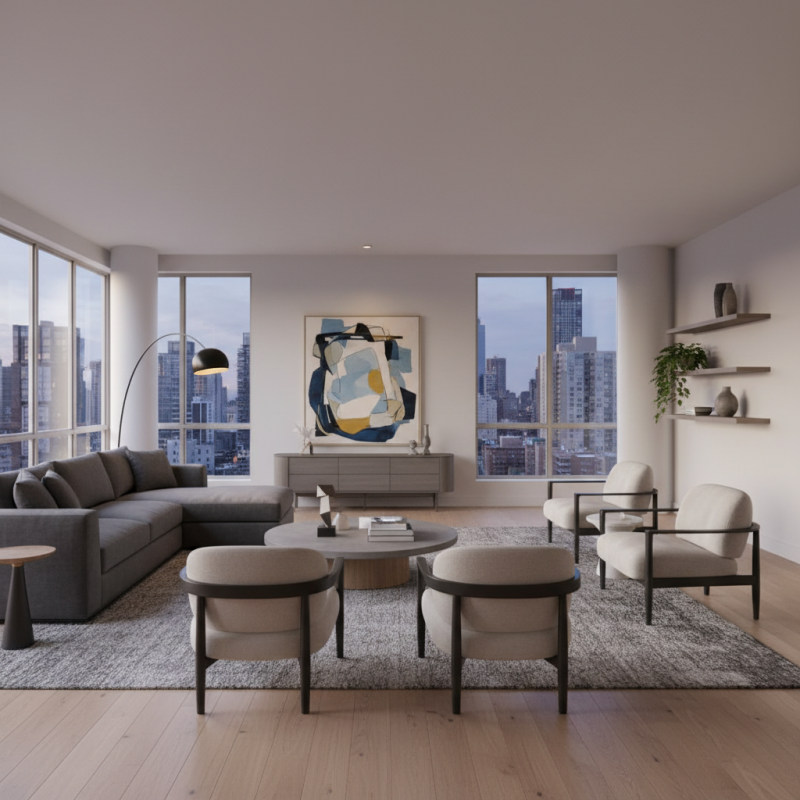
When selecting modern design furniture, understanding aesthetics is crucial. Modern design emphasizes simplicity, functionality, and clean lines. Colors tend to be neutral, allowing flexibility in decor. Materials like wood, metal, and glass are prevalent, creating a sleek look. This design aims to express freedom, innovation, and a break from tradition.
TIPS: Focus on your space. Consider the scale and flow of your rooms. A large sofa can overpower a small living area. Conversely, tiny pieces may get lost in spacious environments. Be mindful of balance and proportion.
Another aspect to reflect on is the emotional impact of your selections. Does the furniture make you feel comfortable? Does it bring joy or serenity? Each choice should resonate with your personal style. Avoid trends that may quickly fade, leaving you with regret.
TIPS: Mix materials and textures. Combine soft fabrics with sturdy metals for visual interest. Don't shy away from bold accents, yet ensure they complement the overall design. It's essential to create a space that feels both modern and uniquely yours.
Identifying Your Personal Style and Practical Needs
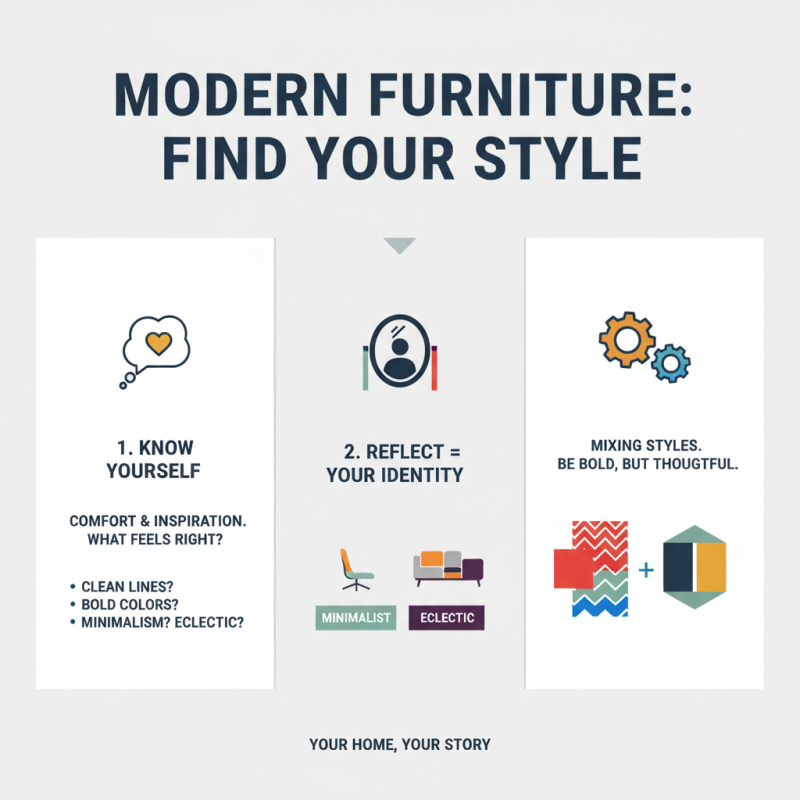
Choosing modern design furniture starts with understanding your personal style. Think about what makes you feel comfortable and inspired. Do you prefer clean lines or bold colors? Perhaps you enjoy minimalism or eclectic vibes. Each choice you make reflects who you are. Mixing styles can also create a unique look, but it requires careful consideration.
Next, consider your practical needs. How much space do you have? Will the furniture fit comfortably in your home? Think about functionality, too. Is an ottoman just for sitting, or can it serve as storage? Sometimes, ideal pieces may require compromise. You might love a chic chair but find it uncomfortable. Balancing aesthetics with comfort can be challenging.
When picking furniture, remember to envision how you will use it. Will it be for entertaining, relaxing, or perhaps both? The right piece should not only look good but also fit seamlessly into your lifestyle. Don’t rush the process; sometimes, it takes time to find what feels right. Reflect on your choices and allow your style to evolve.
Evaluating Materials and Durability in Modern Furniture
When choosing modern design furniture, material and durability are crucial. A recent survey revealed that over 30% of consumers prioritize durability when purchasing furniture. This statistic emphasizes the need to consider the longevity of materials. Wood, metal, and high-quality fabrics are often favored. However, each material has its benefits and drawbacks.
For instance, solid wood offers resilience but can be susceptible to scratches. On the other hand, metals provide strength but might lack warmth. Fabrics such as polyester are known for their durability, yet some may not be eco-friendly. An industry report indicates that 70% of furniture buyers express concern over sustainability. Consumers often reflect on these choices, weighing aesthetics against functionality.
Understanding these factors is essential when investing in furniture. A 2022 report noted that 65% of buyers regretted impulsive purchases due to poor material choices. This suggests the importance of thorough research before finalizing a decision. Choosing the right materials is not just about appearance; it directly affects overall satisfaction and longevity.
Exploring Functionality and Space Optimization in Design
When choosing modern design furniture, functionality is key. Every piece should serve a purpose. Think about your daily routine. Will the furniture enhance your living experience? Consider multi-functional items. A sofa bed can transform a small living space. A coffee table with storage can hide away clutter. These solutions are vital in optimizing space.
Maximizing space doesn’t mean sacrificing style. A sleek, minimalist design can give an illusion of more room. Use vertical space with shelves. Floating shelves can add personality without overwhelming an area. However, it’s important not to over-decorate. Too many elements can create chaos, rather than harmony. Reflect on the balance between style and function.
Lighting plays a big role, too. An airy atmosphere is inviting. Ensure your furniture arrangement allows for natural light flow. Pay attention to the scale of each piece. Oversized furniture can dwarf a small room. Sometimes, less is more. Every choice should evoke a sense of ease. It’s essential to create a space that feels both comfortable and stylish.
How to Choose Modern Design Furniture for Your Home? - Exploring Functionality and Space Optimization in Design
| Furniture Type |
Functionality |
Space Optimization |
Material |
Color Options |
| Sofa |
Comfortable seating |
Multi-sectional options |
Fabric, Leather |
Neutral tones, Bold colors |
| Dining Table |
Eating and gatherings |
Extendable options |
Wood, Glass |
Warm wood tones, Clear glass |
| Coffee Table |
Centerpiece for living area |
Storage options |
Metal, Wood, Glass |
Various colors |
| Bookshelf |
Storage for books and decor |
Vertical space utilization |
Wood, Metal |
Natural wood finishes, Colored options |
| Bed Frame |
Support for mattress |
Underbed storage |
Wood, Upholstered |
Various finishes |
Budgeting for Quality: Balancing Cost and Style in Furniture Choices
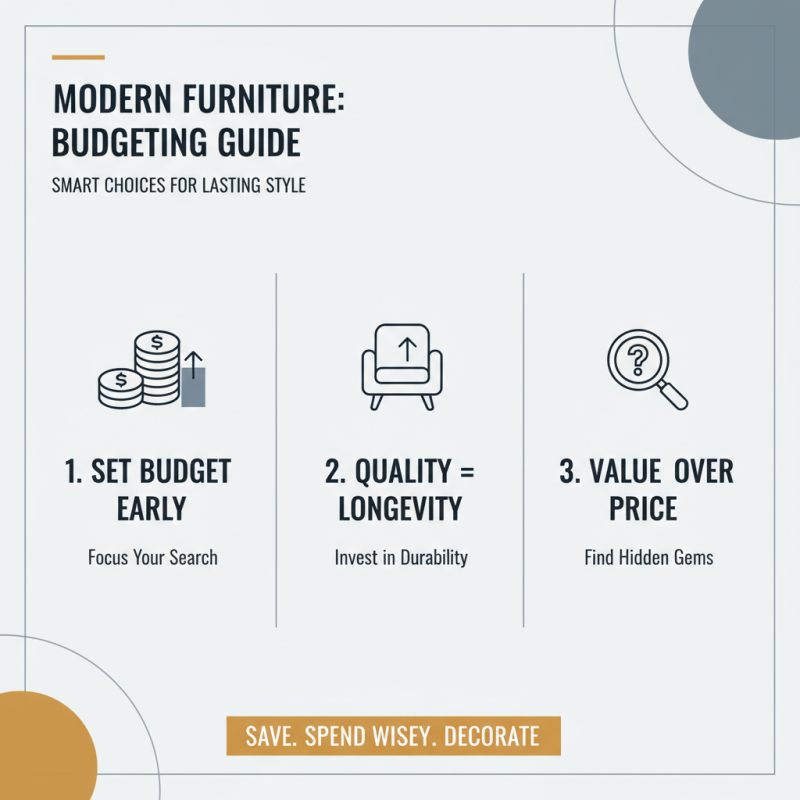
When choosing modern design furniture, budgeting plays a crucial role. Quality pieces often come with a higher price tag. Determine your budget early on. This allows you to focus on items that fit your financial plan. Keep in mind that spending a little more may lead to longer-lasting furniture. Expensive doesn’t always mean better, though. Sometimes you find gems at lower prices.
Explore different materials and styles. Wood, metal, and fabric have varying costs. For example, solid wood can be pricier than particleboard. Research and compare prices online. Visit local stores and touch the pieces. This helps assess quality firsthand. Look for sales or second-hand finds that fit modern aesthetics. You might discover unexpected treasures.
Designing your space also requires room for flexibility. Sometimes, a budget-friendly purchase may not meet your expectations. Perhaps you find something that looks great but isn’t functional. Reflect on your choices. Consider how each piece fits into your overall vision. Balancing cost and style can be tricky, but it’s rewarding when done right.