How to Choose Clad Wood Windows for Your Home Improvement?
Choosing the right windows for your home improvement project can be daunting. Among the numerous options available, Clad Wood Windows stand out for their unique blend of beauty and durability. These windows feature a wooden interior that provides aesthetic warmth, while the exterior is clad with durable materials to withstand the elements. This dual feature makes them especially appealing for homeowners seeking both style and functionality.
Clad Wood Windows are designed to maximize energy efficiency. They help maintain indoor temperatures, reducing reliance on heating and cooling systems. However, not all Clad Wood Windows are the same. Some may lack the quality or craftsmanship needed for long-term performance. It's essential to research companies and manufacturers to ensure that you select windows that prioritize durability and effectiveness.
You may encounter various styles, sizes, and colors of Clad Wood Windows. Keep your home's architectural style in mind while choosing. Consider the maintenance involved as well. While these windows require less upkeep than traditional wood windows, they are not entirely maintenance-free. Reflecting on your priorities and budget can lead to a more satisfying choice in the long run.
Understanding Clad Wood Windows: Materials and Benefits
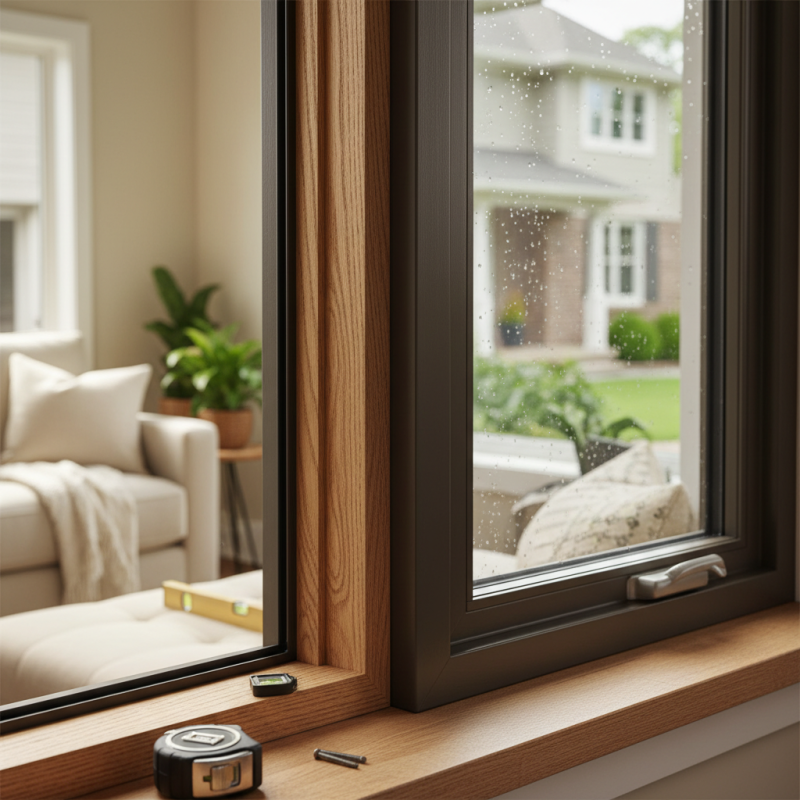
Clad wood windows combine the warmth of natural wood with the durability of exterior materials. This unique construction makes them a popular choice for homeowners seeking both aesthetics and longevity. The exterior typically features aluminum or vinyl, providing superior weather resistance. Meanwhile, the interior retains the beauty of wood, creating a cozy, traditional look.
Choosing the right clad wood window involves understanding the materials used. Aluminum cladding offers higher resistance to the elements but may require a power wash. Vinyl, on the other hand, is low-maintenance but can fade in color over time. Both options have their pros and cons, which can affect the long-term value of your investment.
When selecting clad wood windows, consider your local climate and architectural style. If you live in an area with extreme weather, durability is crucial. Reflecting on how these windows will fit into your home’s overall design is important. Each choice has its trade-offs, and what works for one home may not work for another. These considerations help ensure your decision is both practical and visually pleasing.
Key Factors in Choosing Clad Wood Windows for Your Home
When selecting clad wood windows for your home renovation, consider various key factors to ensure you make an informed decision. One major aspect is energy efficiency. According to the U.S. Department of Energy, windows account for 25% to 30% of residential heating and cooling costs. Choosing windows with high thermal performance can provide significant long-term savings.
Next, durability is crucial. Clad wood windows are designed to resist the elements. However, not all materials are equal. For instance, fiberglass cladding can outperform vinyl in terms of longevity. A 2022 report from the National Association of Home Builders (NAHB) indicates that homeowners often overlook maintenance needs, which can lead to costly repairs over time.
Finally, aesthetics should not be neglected. The look of your windows significantly impacts your home's curb appeal. Ensure the design complements your home’s style. Research suggests that 75% of buyers prioritize visual appeal when choosing a property. Balancing beauty with functionality can be challenging but is essential for a successful upgrade.
Choosing Clad Wood Windows: Key Considerations
Energy Efficiency Ratings and Their Importance in Clad Windows
When selecting clad wood windows, energy efficiency ratings should be a top consideration. These ratings indicate how well windows insulate and resist heat transfer. For example, the National Fenestration Rating Council (NFRC) provides valuable metrics like U-Factor and Solar Heat Gain Coefficient (SHGC). A lower U-Factor means better insulation, while an appropriate SHGC helps in regulating heat from sunlight. Windows with a U-Factor of 0.30 or lower are ideal for energy-efficient homes.
Research shows that up to 30% of heating and cooling energy can escape through inefficient windows. This statistic speaks volumes about the immediate need for effective window solutions. In colder climates, selecting windows with high energy efficiency can significantly reduce energy bills. Additionally, ENERGY STAR-certified products often provide better long-term savings. However, it is essential to weigh initial costs versus long-term benefits. Investing in better-rated windows might cost more upfront but can enhance your home's comfort and resale value.
Many homeowners overlook the importance of glazing options. Double or triple glazing can significantly improve performance. It might seem like a luxury, but in terms of energy savings, it often pays off. Look for options like Low-E coatings to further enhance thermal resistance. Making informed choices in this aspect can lead to substantial benefits in the long run. While the selection process can be overwhelming, understanding energy efficiency is key for a home improvement that truly lasts.
Cost Analysis: Clad Wood Windows vs. Traditional Alternatives
When considering clad wood windows, cost is a crucial factor. Clad wood windows often present a higher upfront expense compared to traditional wood windows. However, they come with benefits that can offset these initial costs over time. They usually require less maintenance, allowing homeowners to save on upkeep expenses. Traditional wood windows may need regular painting and sealing, which adds to their lifecycle costs.
Durability is another aspect to consider. Clad wood windows are designed to withstand harsh weather conditions. This resilience can lead to fewer replacements and repairs, making them a reliable long-term investment. In contrast, traditional options may deteriorate faster, especially in extreme climates. Homeowners should think about their specific environment when making this decision.
Additionally, energy efficiency plays a significant role in overall costs. Clad wood windows can offer better insulation, which may lower energy bills. However, some might find it challenging to balance the upfront investment with long-term savings. Evaluating how often you plan to stay in your home can influence your decision. It’s essential to weigh these aspects carefully to determine the best fit for your budget and lifestyle.
Maintenance Tips for Extending the Life of Clad Wood Windows
When it comes to clad wood windows, proper maintenance is essential to ensure their longevity. According to the National Association of Home Builders, high-quality clad windows can last over 30 years if well cared for. Here are some maintenance tips to extend their life.
Regular cleaning is vital. Use a mild detergent and water to wash the exterior surface every few months. Avoid harsh chemicals, as they can damage the protective finish. Pay attention to corners where dust accumulates. Clean these areas meticulously. Inspect seals and frames for any signs of wear or damage, as these can lead to moisture infiltration.
Consider weatherproofing. Applying caulk or weatherstripping can protect against leaks. The American Society of Home Inspectors recommends checking these elements annually. Also, keep an eye on the wood itself. If you notice peeling paint or cracks, it may be time for a repaint. Repainting every five to seven years is often necessary.
Remember to assess the ability of your windows to open and close smoothly. This is important. Difficulty in operation may indicate misalignment or blockage. Address these issues promptly to avoid larger problems down the road. Maintaining clad wood windows does require effort, but the benefits are worth it.

